

"Skin barrier" gets used constantly in skincare without much explanation of what it actually means, which makes it easy to nod along without really understanding why winter is the season it tends to come up the most. Here's the plain-language version, and what's actually happening to it in cold, dry air.
What the Skin Barrier Actually Is
The outermost layer of skin functions less like a wall and more like a brick-and-mortar structure, skin cells acting as the bricks, a mix of lipids (fats) acting as the mortar holding everything together. That structure does two jobs at once: keeping water in, and keeping irritants, bacteria, and allergens out. When people talk about a "compromised barrier," they mean that mortar has started breaking down, leaving gaps in both directions.
Why Cold, Dry Air Targets It Specifically
Low humidity pulls water out of the skin's surface faster than a healthy barrier can replace it, which is already a problem. But dry air also degrades the lipid layer itself over time, the mortar, not just the water it's supposed to hold in. That's why winter skin issues tend to compound rather than just appear and disappear day to day, the structure holding everything together is wearing down, not just temporarily dehydrated.
What a Weakened Barrier Actually Feels Like
Tightness right after washing. Flaking that shows up in the same spots repeatedly. Skin that stings slightly when a product that never used to bother it goes on. Each of these is a sign the barrier isn't doing its usual job of keeping moisture in and minor irritants out, not a separate, unrelated issue each time it happens.
What Makes It Worse Without You Noticing
Hot showers feel justified in cold weather, but high heat strips the same lipids the barrier depends on, speeding up the exact breakdown winter air is already causing. Harsh cleansers do similar damage, removing oils along with dirt. Neither is dramatic on its own, but both compound with the environmental damage already happening, which is why a barrier that was fine in October can feel noticeably different by January.
What Actually Helps Rebuild It
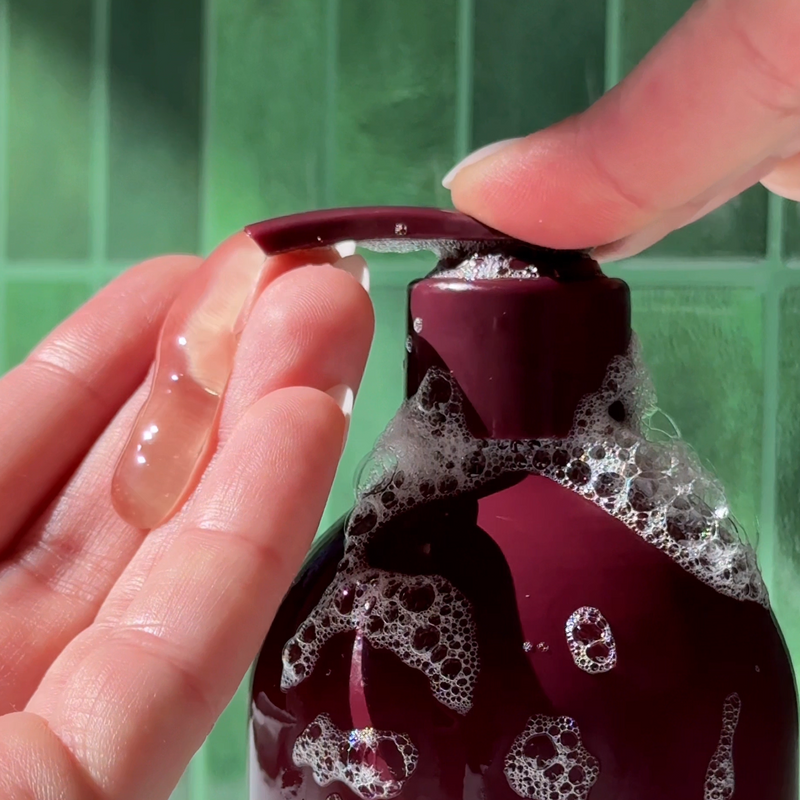
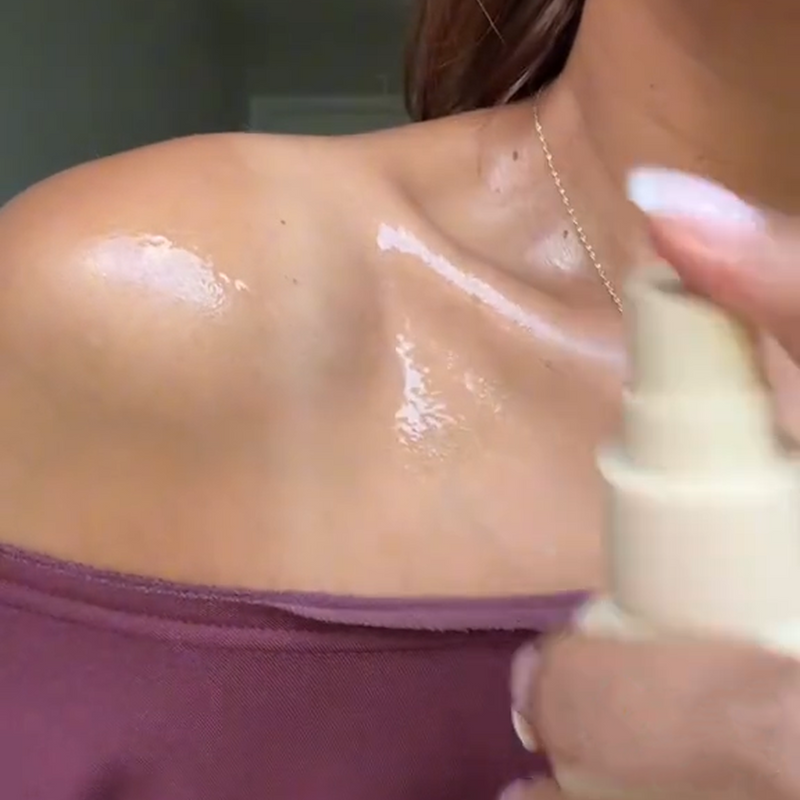
Formulas that replace lipids rather than just adding water matter more here than anything marketed purely as "hydrating." Rich Rinse cleanses while actively replacing moisture rather than stripping it, which matters more to barrier health than a wash that simply foams well. Splash Salve, applied while skin is still damp, reinforces that same structure right when it's most receptive, immediately after a shower, rather than trying to repair damage after the fact.
Why Consistency Matters More Than Intensity
A barrier doesn't rebuild from one heavy application. It rebuilds from repeated, gentle reinforcement over weeks, which is part of why switching products constantly tends to backfire in winter specifically. Every new formula is a new adjustment period, and a barrier that's already under strain from the season doesn't have much tolerance left over for figuring out something unfamiliar.
How Long Rebuilding Actually Takes
A healthy barrier doesn't come back overnight, and it's worth setting expectations accordingly. Most people notice meaningful improvement within two to four weeks of a consistent routine, not two to four days. That timeline matters because it's easy to give up on a product after a few uses when it doesn't seem to be working, when the actual issue is that barrier repair simply runs on a longer clock than most people expect. Consistency over that full window matters more than any single application, and switching products again at week two, right before the improvement would have shown up, is one of the most common ways people accidentally reset the clock on their own progress.
The Simple Version
The skin barrier isn't an abstract concept, it's a physical structure doing physical work, and cold, dry air wears it down in specific, understandable ways. Protect the lipids, avoid stripping them further, and give the skin consistent support rather than sporadic intervention, and the barrier holds up through the season instead of breaking down by February, which is the whole difference between a winter you tolerate and one your skin barely notices.