

Skin doesn't get drier in winter because it's cold outside. It gets drier because cold air holds less moisture than warm air does, and skin is constantly losing a small amount of water to whatever air surrounds it. In summer, humid air slows that loss down. In winter, dry air speeds it up, which is the entire mechanism behind the tight, flaky feeling that shows up every year around the same time.
The Actual Mechanism, in Plain Terms
Skin loses water to the air around it constantly, a process dermatologists call transepidermal water loss. Humid air pushes back against that loss, since there's already a lot of moisture in the surrounding environment. Dry winter air does the opposite, pulling water out of skin faster than it can be replaced, especially once indoor heating drops humidity levels even further than the outdoor cold already has.
Why It Feels Worse Than It Used To
It's not that skin changes dramatically year to year, it's that the environment around it does, every single winter, reliably. Lower humidity, hotter showers taken to counter the cold, and more time spent in heated indoor air all stack on top of each other in the same few months. None of these causes is new. They just arrive together, which is why the effect feels sudden even though it's completely predictable.
What Doesn't Actually Fix It
Lotion applied once a day to already-dry skin is playing catch-up rather than getting ahead of the problem. The same goes for drinking more water, which helps overall hydration but does very little to stop water loss happening directly at the skin's surface. Both are reasonable habits, neither solves the actual mechanism on its own.
What Actually Helps
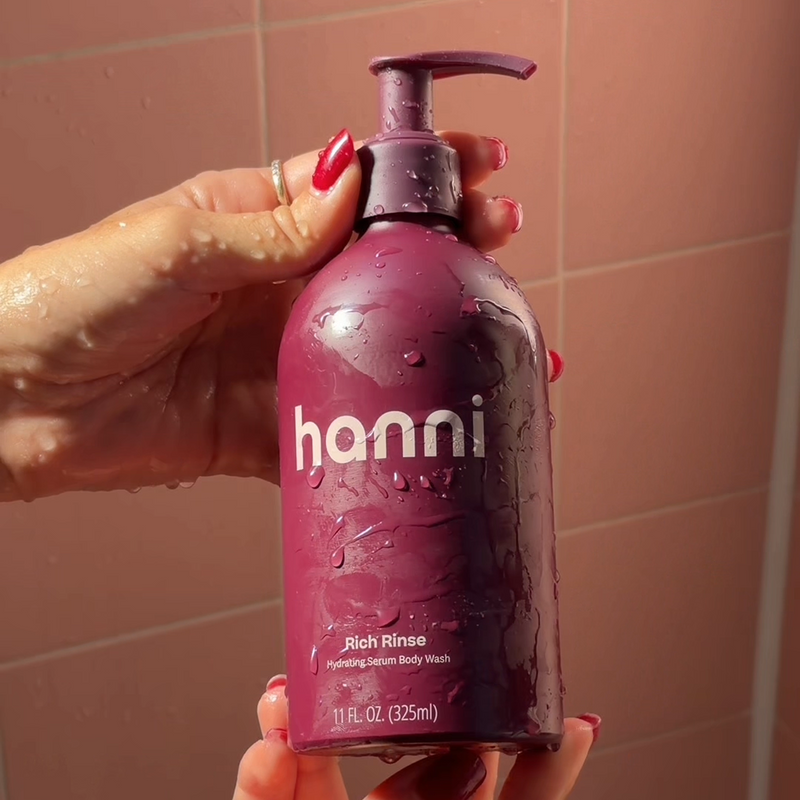
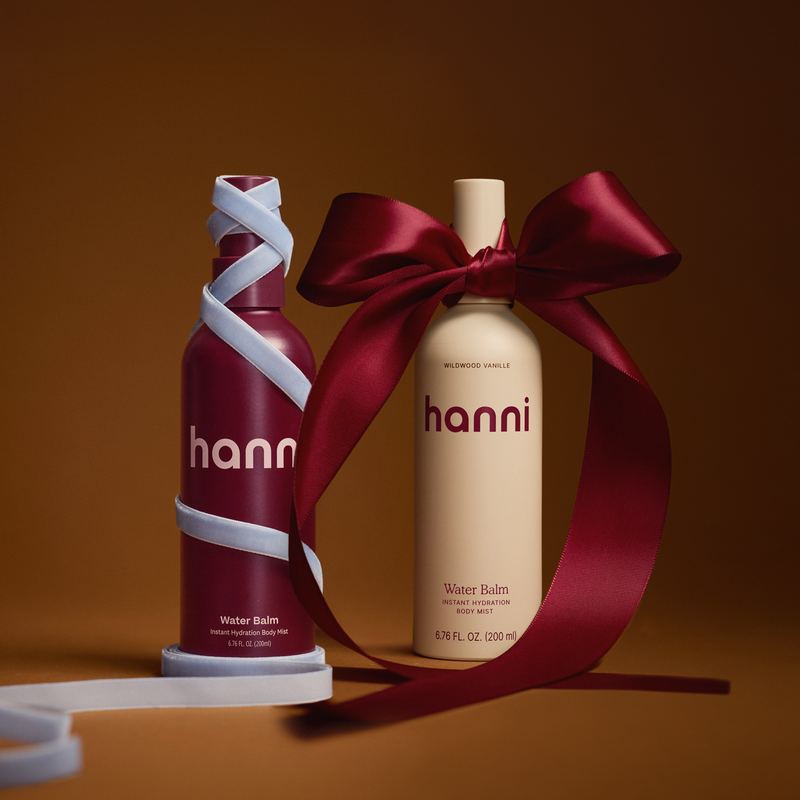
Two things make the real difference: a richer formula and better timing. Rich Rinse addresses the first part, a serum-first body wash that's replacing moisture while it cleanses instead of just removing dirt and leaving skin to fend for itself. Splash Salve addresses the second, applied within a minute or two of stepping out of the shower so it's sealing in water that's already on the skin rather than trying to add moisture back after it's already evaporated.
For the Driest Days
On top of a daily routine, the driest stretches of winter sometimes call for more. The Fatty is built heavier on purpose, for exactly the days when a standard moisturizer isn't holding up against what the air outside is doing. Used on the spots that dry out first, elbows, hands, anywhere skin tends to crack, it's reinforcement rather than a full routine overhaul.
Humidity Helps Too, If You Can Add It
A humidifier running in a bedroom overnight genuinely changes the moisture balance in the air skin is exposed to for hours at a time. It's not a replacement for a good routine, but it does reduce how hard that routine has to work against the dry air surrounding it.
Signs Your Routine Needs to Change for the Season
A routine that worked fine in September isn't automatically wrong in December, but a few signals suggest it needs an upgrade: skin that feels tight within an hour of moisturizing, flaking that wasn't there a month ago, or reaching for lotion more often without it seeming to help as much as it used to. Any of these usually means the formula needs to get richer, not that more of the same lighter product is the answer. Treat these as a cue to switch, not a sign to just apply more, since applying a thin formula more frequently rarely closes the gap a richer one would close in a single step.
The Takeaway
Winter dry skin isn't a mystery and it isn't inevitable. It's a predictable mechanism with a predictable fix: richer formulas, applied at the right moment, consistently, for as long as the season actually lasts. Treat it as a known problem with a known solution, not a surprise every year, and the months that used to feel like an uphill fight against your own skin start to feel a lot more manageable.