
If your skin feels rough, tight, or dull no matter how much moisturizer you apply, you might be solving the wrong problem.
Dry skin and dehydrated skin get used interchangeably, but they're not the same thing; they don't have the same cause, and they don't respond to the same fixes. Getting this distinction right is the difference between a routine that actually works and one that just keeps you shopping.
Dry Skin: A Skin Type
Dry skin is a skin type, meaning it's largely determined by genetics and biology. Dry skin produces less sebum (the natural oil your skin makes to protect and lubricate itself), which means it has a harder time maintaining its own moisture barrier.
The result: skin that feels tight, looks flaky or rough, and tends to show fine lines more readily. It can be exacerbated by weather, aging, harsh cleansers, or long hot showers, but at its core, it's just how your skin is built.
What dry skin needs: Lipid-rich, occlusive ingredients that supplement what the skin isn't producing enough of on its own. Think oils, butters, and balms that seal in moisture rather than just sit on the surface.
Dehydrated Skin: A Skin Condition
Dehydrated skin, on the other hand, is a condition that can affect any skin type, including oily skin, and can change. Dehydration is about water content, not oil content. Your skin is lacking moisture, not lipids.
Causes include not drinking enough water, environmental factors like dry air or wind, over-exfoliating, stripping cleansers, or simply seasonal shifts. The telltale sign: skin that looks dull, feels tight after cleansing, or has a slightly crepey texture even if it isn't classically "dry."
What dehydrated skin needs: Humectants: ingredients that draw water into the skin. And lightweight hydration that absorbs quickly rather than sitting on top.
How to Tell the Difference
The easiest way to distinguish between the two: the pinch test. Gently pinch a small amount of skin on your cheek or the back of your hand. If it snaps back immediately, your skin is likely just dry. If it takes a moment to return to normal or looks slightly creased, dehydration is probably the culprit.
Other clues:
-
Dry skin tends to feel consistently rough or flaky, regardless of season or water intake.
-
Dehydrated skin often fluctuates. It’s worse in winter, after travel, or during stressful periods.
-
Oily skin that also feels tight or looks dull? Almost certainly dehydrated, not dry.
-
Both at once? Very common, and very fixable.
How to Treat Dry Skin
For dry skin, the priority is replenishment and protection. You want products that deliver lipids and lock them in, and you want to apply them at the right moment (damp skin, always).
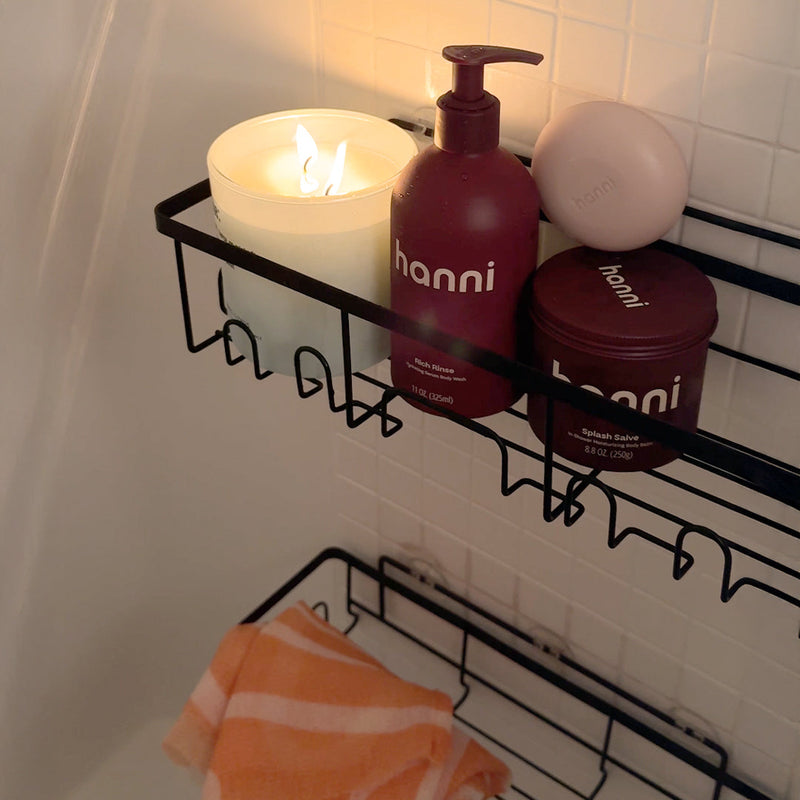
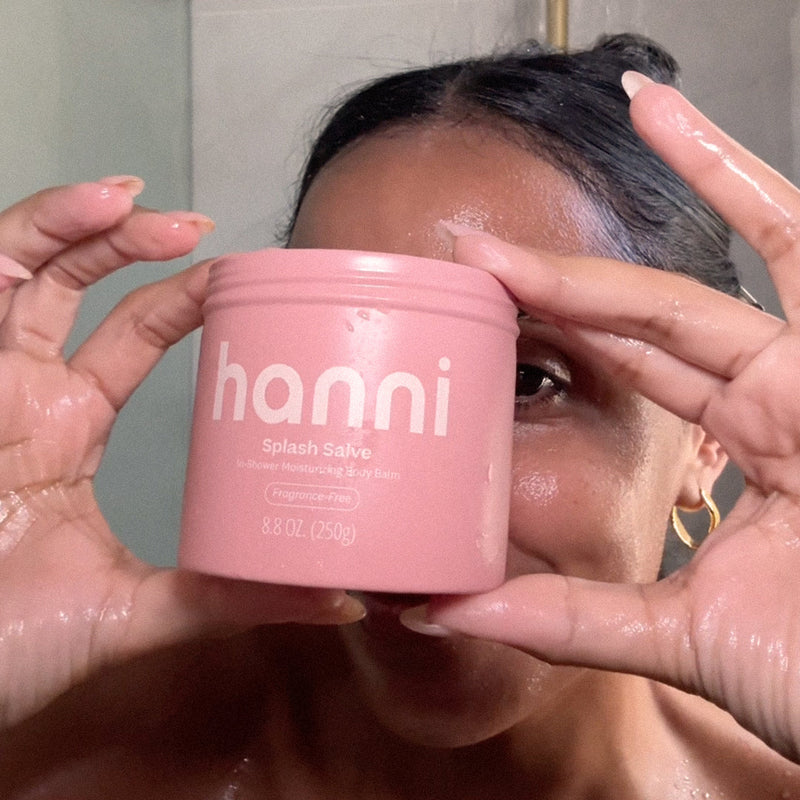
Hanni Splash Salve is an in-shower body balm that does exactly this. Applied to damp skin in the last minute of your shower, it delivers rich, occlusive hydration at the moment skin is most receptive - before moisture has a chance to evaporate. For dry skin specifically, this is the move.
For targeted dryness (elbows, knees, heels, cuticles) Hanni The Fatty is a solid moisture stick that goes wherever you need it. The waxy, balm-like texture creates a protective barrier on the spots that tend to crack, flake, or just refuse to stay soft no matter what.
How to Treat Dehydrated Skin
Dehydrated skin responds best to lightweight, fast-absorbing hydration - the kind that delivers water into the skin rather than just sealing the surface.
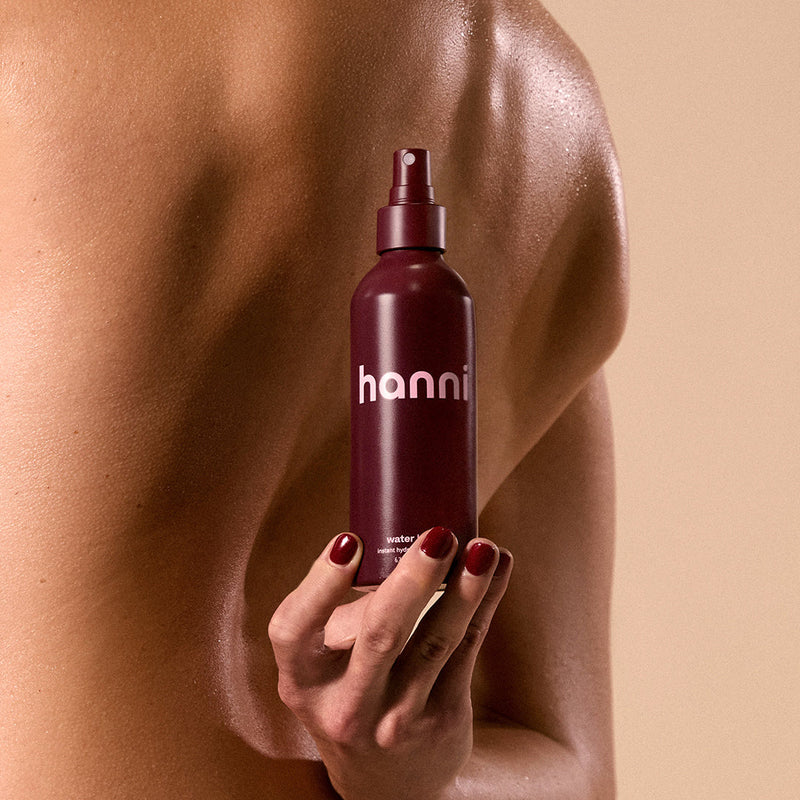
Hanni Water Balm is a spray moisturizer that hits this goal perfectly. It's the bodycare equivalent of a hydrating toner - light, refreshing, and fast - and it layers well under richer products if your skin needs both water and lipids. For dehydrated skin that also runs dry, try Water Balm first, then Splash Salve on top while skin is still damp. You're addressing both the water deficit and the lipid barrier in one routine.
Beyond product, dehydrated skin also responds to the basics: more water intake, a humidifier in dry months, and swapping any stripping cleansers for something gentler.
If You Have Both (You Probably Do)
Most people aren't dealing with one or the other. They're dealing with both. Skin that's chronically low on lipids is also more prone to water loss, which means dry skin almost always has a dehydration component too.
The good news: the fix is straightforward. Layer hydration before lipids, apply everything to damp skin, and choose a cleanser that doesn't strip in the first place. Your routine doesn't need to be more complicated. It just needs to work in the right order.