Exfoliation has a PR problem. Either people skip it entirely, not knowing what they're missing, or they go so hard with the scrubs and acids that they end up with skin that's raw, reactive, and more irritated than when they started.
The truth is somewhere much simpler. And once you understand it, exfoliating becomes one of the easiest upgrades you can make to your bodycare routine.
What Exfoliation Actually Does
Your skin naturally sheds dead cells every 30 days or so. But that process isn't always clean or even. Dead skin cells can build up on the surface, leaving skin looking dull and feeling rough, and creating a barrier that prevents your cleanser and moisturizer from working properly.
Exfoliation speeds up the process. It clears the surface so fresher, smoother skin can come through. And so everything you apply afterward actually gets absorbed, instead of sitting on top of a layer of buildup.
The result: softer texture, more even tone, and skin that genuinely responds to your routine rather than just tolerating it.
Physical vs. Chemical Exfoliation
There are two ways to exfoliate, and both work just fine. The right one depends on your skin type and how you like to shower.
Physical exfoliation uses texture, like a cloth, brush, or scrub, to manually buff away dead skin. It's immediate, satisfying, and easy to control. The key is using something with the right level of texture: aggressive enough to be effective, gentle enough not to cause micro-tears or irritation.
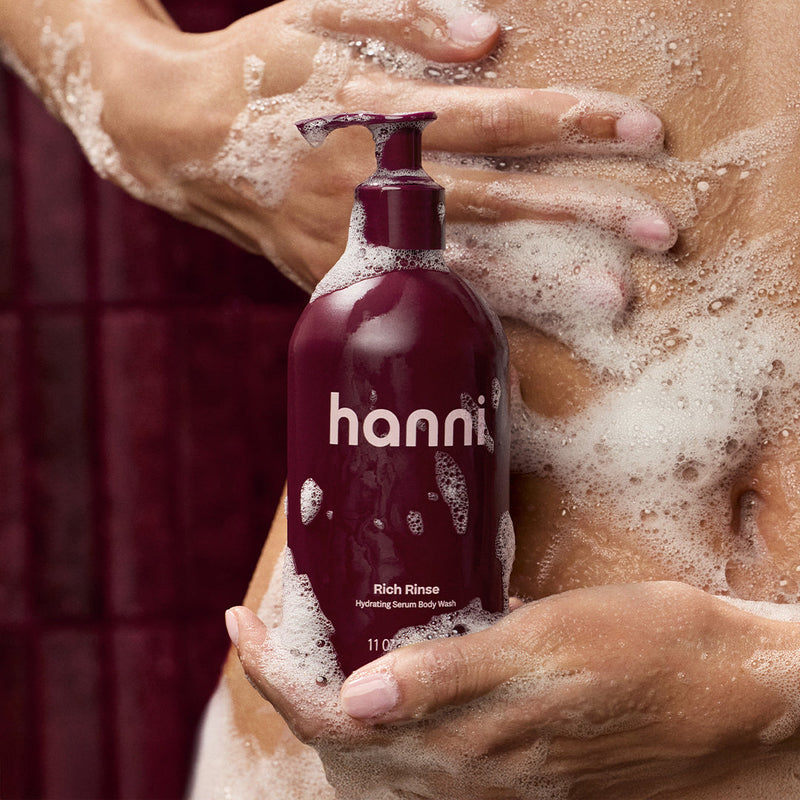
Hanni's Shower Scarf lands exactly in that range. The dual-texture exfoliating cloth works with your body wash to lift dead skin without stripping or over-sensitizing. It's reusable, easy to use, and pairs perfectly with both Rich Rinse and Cocoon Cleanse for a full cleanse-and-buff moment in a single step.
Chemical exfoliation uses acids, typically AHAs like glycolic or lactic acid, to dissolve the bonds between dead skin cells rather than scrubbing them away. It tends to be more uniform and is a good option for sensitive skin that doesn't respond well to friction. If you go the chemical route for your body, look for a leave-on body lotion with a low percentage AHA - not a rinse-off product, which doesn't have enough contact time to do much.
For most people, physical exfoliation in the shower is all you need. Chemical exfoliation is a nice addition for specific concerns (keratosis pilaris, uneven texture, hyperpigmentation), but it's not mandatory.
How Often Should You Actually Exfoliate?
This is where most people go wrong in one direction or the other.
The sweet spot: 2–3 times per week. That's enough to keep buildup at bay and maintain smooth, receptive skin without disrupting your skin barrier. Daily exfoliation, especially with anything abrasive, is too much for most skin types and leads to the tight, sensitized feeling that makes people swear off the whole thing.
A few signs you're overdoing it: skin that feels raw or stings after your shower, increased redness or breakouts on the body, or skin that feels worse after moisturizing instead of better. If any of those sound familiar, scale back to once a week and let your barrier recover.
A few signs you're underdoing it: persistent rough patches, dull or uneven skin tone, or moisturizer that seems to evaporate the moment you apply it. That last one especially - if your body lotion just isn't working, buildup is often why.
The Right Order Matters
Exfoliation should always come first. Do it before you cleanse, not after. Here's why: exfoliating loosens dead skin cells and debris. Cleansing afterward sweeps all of that away. If you do it in reverse, you're cleansing skin and then disturbing it, which partially defeats the purpose.
The full in-shower sequence:
-
Exfoliate with the Shower Scarf - circular motions, ankles to shoulders, light pressure
-
Cleanse with Rich Rinse or Cocoon Cleanse to clear the slate
-
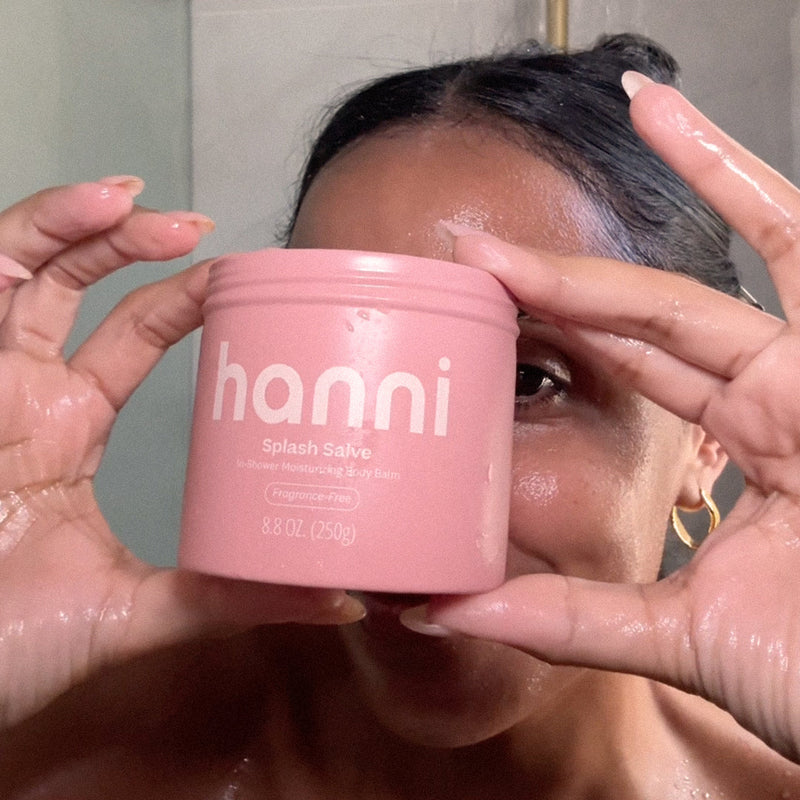
Moisturize while skin is still damp (this is where Splash Salve comes in, but more on that in another post)
Three steps. The whole thing takes under five minutes.
What to Avoid
A few exfoliation habits worth ditching:
Loofah sponges. They're notoriously difficult to keep clean and harbor bacteria fast. A washable exfoliating cloth is a more hygienic alternative that performs better anyway.
Scrubs with harsh particles. The irregular edges can cause micro-tears in the skin, even if they don't feel harsh in the moment. If you love a scrub, look for one with round, uniform particles, or skip them in favor of a good exfoliating cloth.
Exfoliating right before self-tanner. Wait at least 24 hours. Freshly exfoliated skin absorbs pigment unevenly, and you'll end up with patchy results.
Exfoliating compromised skin. Sunburned, broken out, or actively irritated skin doesn't need more stimulation. Give it a rest and come back when things have calmed down.
The Bottom Line
Exfoliation isn't complicated; it's just misunderstood. Done right, 2–3 times a week with a good tool and a great cleanser, it's the step that makes every other part of your routine work better. Done wrong, it's the reason your skin feels perpetually angry.
The fix is simple. The results speak for themselves.